
Post-Acute Withdrawal Syndrome: How PAWS Symptoms May Affect You
January 2, 2026
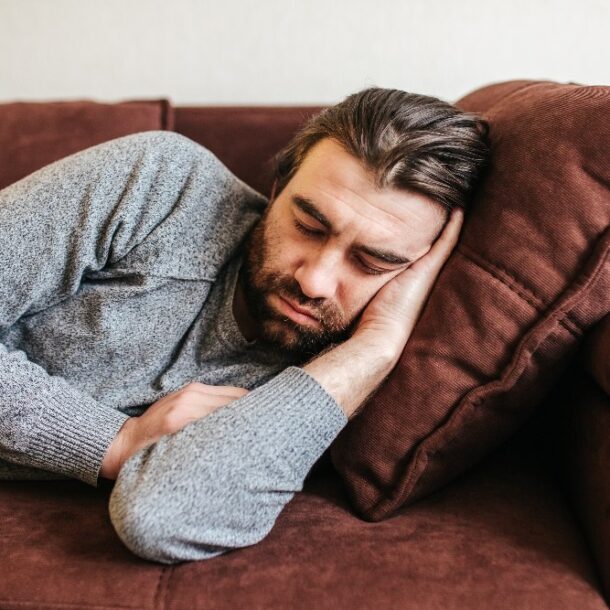
You’ve made it through the acute withdrawal phase—the shaking, sweating, and intense physical discomfort have subsided. You expected to feel better by now, but instead you’re experiencing waves of anxiety, trouble sleeping, and difficulty concentrating. You might wonder if something’s wrong, or worse, if recovery is worth it.
What you’re experiencing may be post-acute withdrawal syndrome (PAWS), a collection of symptoms that can persist for weeks or months after the initial withdrawal period ends. While PAWS can be challenging, understanding what’s happening in your brain and body—and knowing that these symptoms are temporary—can help you navigate this critical phase of recovery.
At Healing Pines Recovery, our residential treatment program in Colorado provides the structured support men need to work through PAWS symptoms while building a foundation for lasting recovery. If you’re struggling with post-acute withdrawal, call us at 720-575-2621 to learn how our comprehensive approach can help.
What Is Post-Acute Withdrawal Syndrome?
Post-acute withdrawal syndrome refers to a cluster of psychological and physical symptoms that emerge after acute withdrawal ends and can continue for weeks, months, or occasionally longer. While acute withdrawal involves the immediate physical response to stopping substance use—typically lasting days to a couple of weeks—PAWS represents your brain’s gradual adjustment to functioning without drugs or alcohol.
During active substance use, your brain’s chemistry adapts to the presence of drugs or alcohol. Neurotransmitter systems that regulate mood, motivation, sleep, and cognition become dependent on these substances to function. According to the National Institute on Drug Abuse (NIDA), chronic substance use fundamentally changes brain structure and function, and these changes take considerable time to reverse.
When you stop using, your brain must recalibrate these systems, and this neurological healing process takes time. PAWS symptoms can appear immediately after acute withdrawal or develop weeks into recovery. They often come in waves rather than remaining constant, which can be confusing and frustrating. You might have several good days followed by a period where symptoms intensify, leading some to mistakenly believe they’re getting worse rather than healing.
Common PAWS Symptoms in Men
Post-acute withdrawal syndrome manifests differently for each person, but certain symptoms appear frequently during this recovery phase. The Substance Abuse and Mental Health Services Administration (SAMHSA) recognizes PAWS as a significant factor in early recovery that requires clinical attention.
Emotional and Mood Symptoms
Mood instability is one of the most challenging aspects of PAWS. You may experience emotional swings that feel unpredictable or disproportionate to circumstances. Depression can surface as persistent sadness, loss of interest in activities, or a general sense that nothing feels rewarding anymore—this is partly due to your brain’s dopamine system recalibrating.
Anxiety often increases during PAWS, manifesting as generalized worry, panic attacks, or social anxiety that may not have been present before. Research published by the National Institutes of Health shows that anxiety disorders are particularly common during the post-acute withdrawal period, with symptoms often intensifying before they improve.
Irritability and anger can flare unexpectedly, sometimes over minor frustrations. These mood symptoms don’t mean you’re failing at recovery; they indicate your emotional regulation systems are healing. At Healing Pines Recovery, our therapy programs specifically address emotional regulation during this challenging phase.
Cognitive Challenges
Many men in early recovery report “brain fog”—difficulty thinking clearly, making decisions, or processing information. Memory problems are common, both for forming new memories and recalling information. Concentration becomes difficult, making it hard to focus on tasks, read, or follow conversations.
This cognitive impairment can be particularly frustrating for men who are returning to the workforce after treatment. It’s important to understand that these symptoms reflect temporary neurological healing, not permanent damage. The American Psychological Association notes that cognitive function typically improves significantly within the first 3-6 months of sustained abstinence.
Physical Symptoms
While less intense than acute withdrawal, PAWS can include physical manifestations. Sleep disturbances are extremely common—difficulty falling asleep, staying asleep, or experiencing restorative sleep. According to the Centers for Disease Control and Prevention (CDC), sleep disruption during early recovery is both a symptom of PAWS and a risk factor for relapse if not properly managed.
Fatigue can be overwhelming even with adequate rest, as your body adjusts its energy regulation systems. Some men experience changes in appetite and coordination issues or general physical discomfort. Low energy and motivation can make even basic self-care feel exhausting—challenges we address through our physical fitness and wellness programs.
Cravings and Substance-Related Thoughts
Cravings often intensify during PAWS episodes, sometimes catching you off guard after periods of relative stability. These cravings may be triggered by stress, certain environments, or seemingly nothing at all. Intrusive thoughts about substance use can become more frequent during PAWS waves, which is why having professional support during this phase is critical.
Our approach at Healing Pines Recovery includes comprehensive strategies for managing cravings as part of your recovery plan.
PAWS Timeline: How Long Does It Last?
The duration of post-acute withdrawal syndrome varies based on several factors, including which substances you used, how long you used them, your overall health, and whether you have co-occurring mental health conditions.
Alcohol-Related PAWS
For alcohol, PAWS symptoms typically begin within a week or two of stopping drinking and can last anywhere from a few weeks to six months or longer. According to research from the National Institute on Alcohol Abuse and Alcoholism (NIAAA), most men experience the most intense PAWS symptoms during the first two to three months of sobriety, with gradual improvement thereafter.
Understanding what happens during alcohol withdrawal can help you prepare for the PAWS phase that follows.
Opioid-Related PAWS
Opioid-related PAWS often follows a similar timeline but can extend longer, particularly for individuals who used opioids for extended periods or at high doses. The FDA notes that the severity and duration of PAWS symptoms can vary significantly based on the specific opioid used, with synthetic opioids like fentanyl potentially producing more prolonged symptoms.
Stimulant-Related PAWS
Stimulants like cocaine and methamphetamine can produce PAWS symptoms that last several months, with depression and anhedonia (inability to feel pleasure) being particularly persistent. Research from NIDA shows that cognitive improvements continue for up to a year or more after stopping stimulant use.
Benzodiazepine-Related PAWS
Benzodiazepine withdrawal is unique in that PAWS symptoms can last longer than with other substances—sometimes extending beyond a year. The American Academy of Family Physicians emphasizes that this extended timeline makes medical supervision and professional support especially important for benzodiazepine recovery.
It’s crucial to understand that PAWS doesn’t follow a linear path. Symptoms typically decrease in intensity and frequency over time, but you may experience waves of symptoms even months into recovery. These waves often become less severe and shorter in duration as healing continues.
Why PAWS Happens: The Brain Science
Understanding the neurological basis of PAWS can help you recognize that these symptoms represent healing, not failure.
Substance use fundamentally alters your brain’s reward system. Drugs and alcohol flood your brain with dopamine—the neurotransmitter associated with pleasure and motivation—at levels far beyond what natural rewards produce. According to Harvard Medical School, over time, your brain adapts by reducing dopamine receptor sensitivity and decreasing natural dopamine production.
When you stop using substances, your brain’s reward system must recalibrate. This process takes time because brain cells need to grow new receptors, restore natural neurotransmitter production, and rebuild neural pathways. During this transition, activities that should feel rewarding may feel flat or unsatisfying—a condition called anhedonia.
Your brain’s stress response system also requires recalibration. Chronic substance use dysregulates cortisol and other stress hormones, leaving you more vulnerable to anxiety and emotional dysregulation during early recovery. Research from the National Center for Biotechnology Information demonstrates that the hypothalamic-pituitary-adrenal (HPA) axis—your body’s central stress response system—can remain dysregulated for months after stopping substance use.
Your prefrontal cortex—responsible for executive function, decision-making, and emotional regulation—needs time to regain full functionality after substance use has impaired it. This neurological healing is a positive sign that your brain is recovering, but it’s also why PAWS symptoms can feel so challenging. The good news is that research consistently shows these brain systems do heal with sustained abstinence.
The Relationship Between PAWS and Co-Occurring Mental Health Conditions
Many men entering recovery have co-occurring mental health conditions like depression, anxiety, PTSD, or ADHD. These conditions can complicate PAWS because it’s difficult to distinguish between PAWS symptoms and underlying mental health issues.
For example, if you had depression before substance use began, PAWS may intensify depressive symptoms temporarily. According to SAMHSA’s research on co-occurring disorders, approximately 50% of individuals with substance use disorders also have a mental health condition, making integrated treatment essential.
The same applies to anxiety disorders—PAWS-related anxiety can overlay an existing anxiety condition, making symptoms more severe during early recovery. Understanding how alcohol and drugs affect mental health in men is crucial for recognizing when professional assessment is needed.
This is why comprehensive dual diagnosis treatment is essential. At Healing Pines Recovery, our clinical team conducts thorough assessments to differentiate between PAWS symptoms and co-occurring conditions, ensuring you receive appropriate treatment for both. Our article on why mental health disorders and addiction should be treated simultaneously explains this integrated approach in detail.
Treating co-occurring conditions during PAWS doesn’t interfere with recovery—it supports it. Addressing underlying mental health issues while managing PAWS symptoms gives you the best chance at successful long-term recovery.
How Professional Treatment Helps Manage PAWS
Post-acute withdrawal syndrome is one of the leading contributors to relapse during early recovery. The psychological discomfort, combined with cognitive impairment and intense cravings, creates significant vulnerability. This is why professional treatment during this phase is so valuable.
Structured Environment and Support
Residential treatment provides a structured, supportive environment where you can focus on recovery while PAWS symptoms fluctuate. At Healing Pines Recovery, our men-only program creates a space where you’re not managing these symptoms alone. Research from the National Institute on Drug Abuse shows that residential treatment programs provide the intensive support needed during critical phases of recovery like PAWS.
Our small group setting means individualized attention and the opportunity to connect with other men who understand what you’re experiencing. Learn more about what true individualized care means at our facility.
When PAWS symptoms intensify, having 24/7 clinical support means you have immediate access to professionals who can help you implement coping strategies and provide reassurance that what you’re experiencing is normal and temporary.
Evidence-Based Therapies
Cognitive Behavioral Therapy (CBT) is particularly effective for managing PAWS symptoms. According to the American Psychological Association, CBT helps you identify and challenge negative thought patterns that PAWS can amplify. You learn to recognize cognitive distortions, develop healthy coping strategies, and build resilience against symptom waves. Our article on what is Cognitive Behavioral Therapy provides more detail on how this approach works.
Dialectical Behavior Therapy (DBT) provides specific skills for emotional regulation—crucial during PAWS when mood swings and emotional intensity are common. Research published by SAMHSA demonstrates DBT’s effectiveness in substance use treatment. DBT teaches distress tolerance, mindfulness, and interpersonal effectiveness skills that help you navigate challenging symptoms without returning to substance use. Read more about what is Dialectical Behavior Therapy and the benefits of DBT during addiction recovery treatment.
Medication-Assisted Treatment
For some men, medication-assisted treatment (MAT) can provide relief from PAWS symptoms while supporting recovery. The FDA has approved several medications that can help stabilize mood, reduce cravings, improve sleep, and ease anxiety during this transition period. Our medical director works closely with clients to determine if MAT is appropriate and beneficial for their specific situation. Learn more about how we use medication-assisted treatment at Healing Pines Recovery.
Holistic Approaches
PAWS affects your entire system—mind, body, and spirit—which is why our holistic approach addresses all dimensions of recovery. The National Center for Complementary and Integrative Health recognizes the value of complementary approaches in addiction treatment.
Physical Wellness: Regular exercise has been shown to accelerate neurological healing, improve mood, and reduce PAWS symptoms. Research from the Mayo Clinic demonstrates that physical activity helps regulate stress hormones and supports neurotransmitter balance. Our outdoor experiential therapies and fitness programs help restore physical health while supporting brain recovery. Learn more about the benefits of exercise for men in recovery.
Mindfulness and Meditation: Mindfulness practices help you develop awareness of PAWS symptoms without becoming overwhelmed by them. According to research published by Johns Hopkins, mindfulness meditation can significantly reduce anxiety and depression symptoms. These practices teach you to observe thoughts and feelings without judgment, reducing the distress associated with symptom waves. Read about the importance of mindfulness in recovery and the role of mindfulness in maintaining sobriety.
Nutritional Support: Proper nutrition supports neurological healing. According to the National Institutes of Health, nutritional deficiencies are common in individuals with substance use disorders, and addressing these deficiencies supports brain recovery. Our program includes nutritional guidance to ensure your brain has the building blocks it needs for recovery.
Sleep Hygiene: Since sleep disturbances are common during PAWS, we emphasize sleep hygiene practices that promote restorative rest, which is essential for brain healing. The CDC provides evidence-based guidelines for healthy sleep practices that we incorporate into treatment.
Nature-Based Recovery
Our Colorado mountain setting provides unique therapeutic benefits for men managing PAWS. Time in nature has been shown to reduce stress hormones, improve mood, and support cognitive function—all of which help counteract PAWS symptoms. Research from Stanford University demonstrates that spending time in natural environments reduces rumination and improves mental health outcomes.
Our outdoor experiential therapies use hiking, outdoor activities, and connection with the natural environment as tools for healing. Learn more about nature-based recovery and why outdoor therapy matters for men and the benefits of being in nature for recovery.
Practical Strategies for Managing PAWS Symptoms
While professional treatment provides comprehensive support, there are daily practices that can help you manage PAWS symptoms:
Create Structure and Routine
During PAWS, your cognitive function and motivation may be impaired. A consistent daily routine reduces the mental energy required for decision-making and helps stabilize mood. Research from the American Psychological Association shows that structured routines reduce stress and improve mental health outcomes. Structure your day with regular wake times, meals, exercise, and bedtime—even when motivation is low. Learn more about scheduling your day and how creating a schedule can help with addiction recovery.
Practice Self-Compassion
PAWS can make you feel like recovery isn’t working or that something is wrong with you. Recognize that these symptoms are part of healing, not failure. Be patient with yourself during difficult symptom waves, and avoid self-criticism for struggling with tasks that used to feel easier. Our article on learning self-love in recovery explores this topic in depth.
Track Symptom Patterns
Keeping a simple journal of PAWS symptoms helps you recognize patterns and improvements over time. Note when symptoms intensify, what triggers might be present, and what helps. This tracking provides perspective during difficult waves and evidence that symptoms do improve.
Engage Your Support System
Isolation makes PAWS symptoms worse. Stay connected with your treatment team, support groups, and trusted individuals who understand your recovery journey. At Healing Pines Recovery, the peer connections you build with other men in recovery provide ongoing support and shared understanding. Learn about how men’s connections to each other can help them heal and peer support and community involvement in recovery.
Focus on Sleep Hygiene
Prioritize sleep even when it’s difficult. Maintain consistent sleep and wake times, create a relaxing bedtime routine, limit screen time before bed, and ensure your sleeping environment is comfortable. According to the National Sleep Foundation, poor sleep intensifies all PAWS symptoms, while improving sleep quality supports healing. Read our article on the importance of sleep for more guidance.
Move Your Body
Even when fatigue makes exercise feel impossible, gentle movement helps. Walking, Pilates, or light stretching can improve mood, reduce anxiety, and support neurological healing.
Avoid Major Life Decisions
PAWS-related cognitive impairment and mood instability can affect judgment. Whenever possible, postpone major life decisions until symptoms stabilize. If decisions must be made, seek input from your treatment team or trusted advisors.
PAWS and Relapse Prevention
Understanding and managing PAWS is central to relapse prevention. According to NIDA research, many men relapse during PAWS because they mistake symptoms for permanent conditions rather than temporary healing. They may think, “If this is what sobriety feels like, it’s not worth it,” without realizing these symptoms will improve.
PAWS waves can be triggered by stress, disrupted sleep, or other life challenges. Recognizing these triggers and having coping strategies in place helps you navigate symptom intensification without returning to substance use. Learn about creating a relapse prevention plan with tips and strategies and how to overcome relapse and rediscover recovery.
Professional treatment provides the tools and support needed to distinguish between PAWS symptoms and genuine crises. At Healing Pines Recovery, we help men develop personalized relapse prevention plans that specifically address PAWS-related vulnerabilities.
Why Men-Only Treatment Matters for PAWS Management
Men often face unique challenges during PAWS. Cultural expectations around emotional expression, vulnerability, and asking for help can make the emotional symptoms of PAWS particularly difficult to navigate. Research from the National Institutes of Health shows that men are less likely to seek help for mental health symptoms, making gender-specific treatment particularly valuable.
Men-only treatment creates a space where you can address these challenges openly. In our men-only program, you’re surrounded by others who understand the specific pressures men face during recovery. This environment encourages authentic sharing about struggles with mood, motivation, and cognitive symptoms without the barriers that can exist in mixed-gender settings. Learn more about why men-only rehab works and the benefits of gender-specific treatment and the benefits of gender-specific care.
Men often respond well to action-oriented, practical approaches to managing PAWS. Our program emphasizes concrete skills, physical challenges, and goal-setting alongside traditional therapy, addressing both the psychological and practical aspects of navigating post-acute withdrawal. Read about why men’s-only treatment might be right for you.
The Path Forward: PAWS as Part of Recovery, Not an Obstacle
Post-acute withdrawal syndrome represents a critical phase of recovery, but it’s not a barrier to success—it’s evidence that healing is happening. The brain systems damaged by substance use are remarkably resilient and, given time and proper support, can recover substantially. According to Harvard Health, neuroplasticity—the brain’s ability to reorganize and heal—continues throughout life, offering hope for full recovery.
Every day you move through PAWS symptoms without returning to substance use, you’re giving your brain the opportunity to heal. Symptoms that feel overwhelming today will diminish. Cognitive function will return. Mood will stabilize. The capacity for joy, motivation, and connection will be restored.
Professional treatment during this phase doesn’t just help you manage symptoms—it provides the therapeutic foundation for long-term recovery. The coping skills, self-awareness, and support systems you build while navigating PAWS become tools you’ll use throughout your recovery journey. Read about strategies for long-term addiction recovery to understand how PAWS management fits into your broader recovery plan.
Take the Next Step
If you’re struggling with post-acute withdrawal syndrome, you don’t have to navigate this phase alone. Healing Pines Recovery’s comprehensive residential treatment program provides the medical support, therapeutic interventions, and compassionate care men need to work through PAWS while building a foundation for lasting recovery.
Our Colorado mountain setting, combined with our men-only approach and small group structure, creates an environment where you can focus fully on recovery. From evidence-based therapies to holistic practices, outdoor experiences to peer support, we address every aspect of healing. Learn more about what to expect at a men’s residential rehab in Colorado.
Call 720-575-2621 today to speak with our admissions team about how we can support you through post-acute withdrawal and beyond. Recovery is possible, and the challenging phase you’re in now is temporary—let us help you move through it toward lasting wellness. Visit our admissions page to learn more about starting your journey.
Frequently Asked Questions About PAWS
How do I know if I’m experiencing PAWS or if my addiction is getting worse?
PAWS symptoms occur after you’ve stopped using substances, during the recovery process. If you’re experiencing mood swings, anxiety, cognitive difficulties, or sleep problems while maintaining sobriety, these are likely PAWS symptoms indicating your brain is healing. However, if you’re still using substances or experiencing cravings so intense that you’re at risk of relapse, professional assessment is important. Contact our team at 720-575-2621 to discuss your specific situation.
Can PAWS symptoms be permanent?
No, PAWS symptoms are temporary, though they can last several months. Research from NIDA consistently shows that brain function continues to improve with sustained abstinence. While the timeline varies by individual and substance, symptoms do decrease in intensity and frequency over time. If symptoms persist beyond a year, they may reflect a co-occurring mental health condition rather than PAWS, and comprehensive assessment can help differentiate between the two.
Will medication help with PAWS symptoms?
For some individuals, medication can help manage specific PAWS symptoms like depression, anxiety, or sleep disturbances while the brain heals naturally. According to SAMHSA, medication-assisted treatment should be evaluated on an individual basis by qualified medical professionals. At Healing Pines Recovery, our medical director assesses whether MAT might support your recovery without interfering with healing.
Is it safe to work while experiencing PAWS?
This depends on the severity of your symptoms and the nature of your work. Cognitive impairment and mood instability can affect job performance and decision-making. Many men find that taking time away from work during residential treatment allows them to focus on recovery during this critical phase. Our team can help you evaluate your specific situation and develop a plan that supports both your recovery and your professional responsibilities. Read our article on how to return to the workforce after treatment for guidance on this transition.
What’s the difference between PAWS and depression?
PAWS-related depression is directly tied to neurological healing after substance use—it typically comes in waves that gradually decrease over time. Clinical depression may have existed before substance use or may be a separate condition. Both involve low mood, loss of interest, and fatigue, but PAWS depression specifically follows a pattern of improvement with continued sobriety. According to the National Institute of Mental Health, comprehensive assessment by mental health professionals can help distinguish between the two and ensure appropriate treatment. Learn more about the major signs of depression in early-stage recovery.
Can I prevent PAWS from happening?
PAWS is a natural part of the healing process for most people in early recovery—it reflects your brain recalibrating after substance use. While you can’t prevent it entirely, professional treatment, healthy lifestyle practices, stress management, and strong support systems can reduce the severity and duration of symptoms. The comprehensive approach at Healing Pines Recovery is designed to support your brain’s healing while providing tools to manage symptoms effectively.
Should I tell my employer or family about PAWS?
This is a personal decision that depends on your relationships and circumstances. Many men find that educating trusted family members about PAWS helps them understand what you’re experiencing and provide better support. The Family Medical Leave Act (FMLA) may provide job protection for treatment-related absences. Regarding employers, consider your workplace culture and legal protections. Our team can help you think through these conversations and determine what level of disclosure feels appropriate and safe for your situation. Read about how to provide support to your loved one once they return from treatment for guidance on family involvement.
What if PAWS symptoms make me want to use substances again?
Intense PAWS symptoms are a common relapse trigger, which is exactly why professional support during this phase is so important. According to NIDA research on relapse rates, 40-60% of individuals experience relapse, often during the PAWS phase. If you’re experiencing cravings or thoughts of returning to substance use, reach out immediately to your treatment team or call our crisis support line at 720-575-2621. These feelings don’t mean you’re failing—they mean you need additional support during a challenging phase of recovery. We can help.