- HOME
- MEN'S ONLY REHAB
Men’s Only Rehab in Colorado

A men's only rehab in Colorado is inpatient addiction treatment built specifically for men, pairing evidence-based therapy with the emotional work (trauma, shame, and mental health) that keeps recovery from unraveling.
At Healing Pines Recovery, that’s a boutique, men’s-only program on 40 wooded acres in Elizabeth, about an hour from Denver and Colorado Springs, with care delivered by master’s-level clinicians. Here, you’re a person, not a bed number.
For most men, addiction sits on top of something else: unprocessed trauma, chronic stress, or a mental health condition no one ever named. A men-only environment removes the pressure to perform and makes honest conversations possible. As a male-only residential program built around men’s addiction recovery in Colorado, that’s exactly what we’re built to do.
We’re also not a 12-step-only program. We draw on all paths to recovery and match the approach to the man, not the other way around.
Request a Confidential Callback
Key Takeaways
- What it is: A boutique, men’s-only inpatient (residential) addiction and dual-diagnosis program on 40 wooded acres in Elizabeth, Colorado, serving men statewide.
- Who it’s for: Adult men in Colorado facing drug or alcohol addiction, often alongside trauma, chronic stress, or a co-occurring mental health condition.
- What’s included: Individual and group therapy, trauma-focused and integrated dual-diagnosis care, plus holistic and experiential work (animal-assisted, outdoor), all led by master’s-level clinicians.
- How it works: Individualized 30 to 45 day residential stays, non-12-step / all paths, with intensive outpatient (IOP) and aftercare for step-down support.
- Paying for it: We work with most major commercial PPO plans and offer private-pay options. Medicaid and Medicare aren’t accepted. Verify your coverage through admissions.
Individualized Treatment
Community Support
Boutique Facility
Evidence-Based Therapies
Individualized Treatment
Community Support
Boutique Facility
Evidence-Based Therapies
Why does a men-only rehab program work?
Men and women often arrive at addiction from different places and heal differently. Many men have spent years being told to stay strong and handle it alone, and that conditioning doesn’t switch off at the door. In a mixed setting, a lot of men perform recovery instead of doing it. A men-only program changes the room: when everyone present is carrying some version of the same weight, the posturing drops and the real work starts sooner.
It makes emotional honesty possible. The hardest part of recovery often isn’t putting down the substance. It’s naming what the substance was managing: grief, fear, anger, shame. Among other men doing the same work, those admissions start to feel like progress instead of weakness.
It treats the trauma underneath. For many men, substance use traces back to trauma that was never addressed. We treat both together, sequencing trauma work after stabilization so it’s done safely.
It rebuilds identity, not just sobriety. Addiction erodes how a man sees himself. We help you rebuild that sense of who you are, as a father, partner, and worker, so staying sober is worth it.
It’s built for how men relapse. Isolation and “I’ve got this” self-reliance are common relapse drivers. We build in the opposite: accountability, connection, and skills for sitting with hard feelings instead of numbing them.
What levels of care does Healing Pines offer?
We meet men where they are clinically and step care up or down as needs change. Our program centers on men’s residential (inpatient) treatment, with intensive outpatient and aftercare for step-down support.
|
Level of care |
Typical length |
What it involves |
|
Residential inpatient (men-only) |
30–45 days (individualized) |
Living on-site full time, daily individual and group therapy, dual-diagnosis care, experiential work, master’s-level clinicians. |
|
Intensive outpatient (IOP) / aftercare |
As clinically indicated |
Step-down support, several weekly sessions, relapse-prevention planning, and ongoing therapy while you rebuild daily life. |
|
Aftercare & alumni |
Ongoing |
Relapse-prevention plan, alumni events, and connection to sober-living and community resources. |
If you’re at risk of significant withdrawal, we’ll help coordinate medically supervised detox before you begin residential care, so you can engage in therapy safely.
Please note: Detox is arranged with a partner provider, not delivered on-site.
How long is a men’s rehab program?
Most men stay in our residential program 30 to 45 days, though the right length depends on clinical needs, progress, and any co-occurring conditions. Some men need longer; some step down sooner into intensive outpatient support. We set the initial length at intake and review it with you throughout your stay rather than holding you to a fixed calendar.
Longer stays generally allow more time to do trauma and dual-diagnosis work, not just stabilize. Your clinical team will be honest with you about what the work in front of you realistically takes.
What therapies are used in the program?
Our clinical team draws on evidence-based therapies matched to each man’s needs, combined with holistic and experiential work that uses the property itself. Treatment plans typically pair individual and group therapy with at least one specialized modality:
- Cognitive Behavioral Therapy (CBT), reshapes the thought patterns driving substance use.
- Dialectical Behavior Therapy (DBT), builds emotional regulation and distress tolerance.
- Trauma-focused therapy & men’s process groups, the core of the emotional work.
- Animal-assisted therapy, equine work plus goats, pigs, chickens, llamas, and miniature donkeys on the property.
- Outdoor & experiential therapy, using the 40-acre setting to rebuild confidence and stress tolerance.
- Ketamine therapy, under medical supervision for treatment-resistant depression or PTSD symptoms when clinically appropriate.
Mindfulness, physical fitness, and family work round out the plan, matched to what each man is working through.
How does family fit into treatment?
Addiction affects the whole family, and recovery is stronger when family is part of it. We involve loved ones through family therapy and education, and we help everyone learn the difference between supporting recovery and enabling it. With your permission, we bring families into aftercare and financial planning.
Many programs limit contact in the first days so a man can settle in without the pull of outside stress. That’s a clinical choice, not a punishment, communication opens up as you stabilize. We’ll explain our specific visitation and contact policy during intake.
Does insurance cover men’s rehab in Colorado, and what does it cost?
We work with most major commercial PPO insurance plans. Coverage varies by plan and by what your insurer deems medically necessary, so the clearest first step is a verification of benefits, we’ll handle the insurance side and give you a written estimate before admission. Depending on your plan, insurance may cover a significant portion, sometimes all, of treatment.
For men paying privately, we offer transparent, individualized pricing based on length of stay and clinical needs. We’ll talk through options honestly, without pressure.
We don’t accept Medicaid or Medicare. If that’s your only coverage, call us anyway, we’ll help point you toward resources that may be the right fit.
Verify your coverage in a few minutes, most plans are confirmed quickly.
What happens when you call?
Reaching out is the first step, and it’s a simple one. When you contact our admissions team, we’ll listen, answer your questions, and explain your options without pressure. Nothing is decided on that first call. Getting started generally involves:
- A confidential conversation about what you’re facing and what you’re looking for
- Help understanding your insurance coverage and likely costs
- A clinical assessment to determine the right level of care
- An individualized plan built around your needs and goals
- Coordinating the practical details of arriving and beginning care
- Planning for the support that follows residential treatment
Every man’s situation is different, so the clearest way to understand your next steps is to call.
Don't Let Anything Stop You From Getting Help.
We work with most major commercial insurance plans which can help cover up to 100% of the costs associated with treatment.
Or speak with admissions now: Call (720) 575-2621
Facility Location
Where is Healing Pines Located?
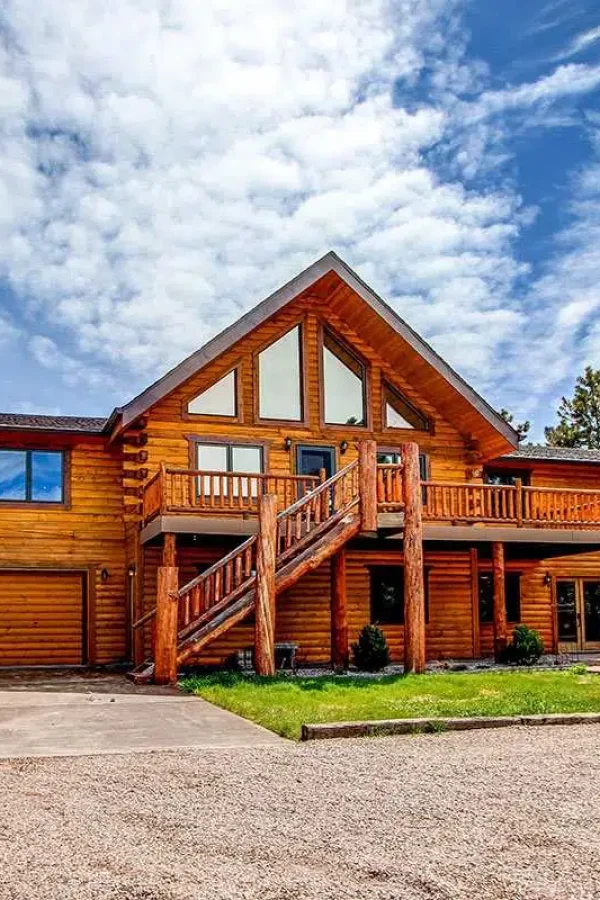
Our campus sits on 40 wooded acres in Elizabeth, Colorado, a small town roughly an hour from both Denver and Colorado Springs and about 45 minutes from Denver International Airport. The setting is part of the treatment: quiet, private, and away from the triggers of daily life.
Why Choose Healing Pines Recovery?
Men-only, emotionally focused care: Everything, from groups to curriculum to culture, is built around how men process emotion, shame, and connection. It’s not a co-ed program with a men’s track bolted on.
A true boutique setting: With only a handful of men in the program at a time, care is genuinely individualized and no one gets lost. The scale is the point.
Integrated dual-diagnosis treatment: Mental health and substance use are treated together, with psychiatric oversight and coordinated therapy, so the two don’t keep feeding each other.
Master’s-level clinicians: Your plan is built and reviewed by master’s-level clinicians, with progress checked and adjusted throughout your stay.
Founder-led mission: Healing Pines was founded by Paul Leafstedt, who built the program to bring quality, individualized men’s care to the Colorado outdoors. That mission still runs the place.
The leadership and staff were committed to my success.
Paul is a man of integrity which flows through his team. I have been to other recovery programs and HPR stands far above them all. The small group structure offers a more intimate and personalized experience. This was so much more beneficial to my recovery than facilities preaching a "one-size-fits-all" solution to larger and fragmented groups. It was like having personal and knowledgeable therapists dedicated to me for a full month! They went out of their way to understand the root of my challenges and construct a path for improvement that is unique and relatable to me. This was a huge benefit!
Jay C
It saved my life, in every sense.
I spent a month at Healing Pines Recovery. The actual location itself is unreal. A beautiful cabin lodge, with gorgeous scenery. The rooms are large, queen beds, very comfortable! Great bathrooms with great showers! There is a pool table, slam jam, (Christine! 😉 frisbee golf, and daily access to a nearby gym. The property also has a pickle ball court that was used daily, Zoey the counselor beat us men constantly!
Clay M
My experience with Healing Pines Recovery has been wonderful.
My husband was their client, and they helped him be able to help himself. He is doing amazing! I think the combination of counseling, physical labor, meditation, AA, and just the beauty of the place itself all had a very positive impact on him. They really cared about him, and that did not stop just because he came home. Also they have counseling for the families and it has really helped me a lot. Heather is awesome! I thank God that we had them in our lives when we were most vulnerable.
Susan M
We wanted to share our gratitude to the staff.
Our son was under the care of Healing Pines recently and we wanted to share our gratitude to the staff. There were many challenges in his pursuing treatment, and thankfully Paul and Heather C helped us navigate all of them skillfully with patience and compassion.
Jim E
You'll get your life back!
Healing Pines Recovery is/was instrumental in setting me up for long term success in my recovery journey. I've been to treatment centers in the past and HPR is nothing like anything I've attended before. They're very small, intimate, and hands-on approach to recovery was exactly what I was looking for when seeking treatment. I knew that a large, one size fits all program like those offered by many other treatment centers in Colorado wouldn't provide me with the help I desperately needed. Paul and his Team are incredible and I would highly recommend HPR to anyone who needs help starting their recovery journey. Big shout out to James for all of his guidance during my time at HPR. His grace, knowledge, understanding, and direction were/are key to my continued success in recovery. One HUGE piece of the puzzle I love is the after care I've received from HPR... I am in constant contact with Paul, James, and many other staff members through the their alumni programs and it has helped me so much with life after HPR. This program was truly a miracle in my life and I know it will be for many other men struggling with addiction and/or alcoholism. You'll get your life back!
Nicholas P
This is truly a great recovery facility.
My learning experience here was something I’ll take with me throughout my whole life. The staff here will always be a part of my family and I am beyond thankful for everything they have done and continue to do for my well-being.
Gunnar P
I can't speak more highly of Healing Pines Recovery & Addiction Center.
It is located in a beautiful Colorado location with lots of outdoor activities and fresh air. They have a very knowledgeable and professional staff that goes above and beyond to meet your needs.
Riley K
I couldn’t have been at a more amazing place to begin this journey.
Seriously an amazing place. Everything from how beautiful the house and the property it sits on down to every person staffed there was nothing less than perfect. More than highly recommended in every sense. If you’re reading this and trying to find the right place for treatment and recovery I would absolutely look no further. Everyone’s recovery is different and we all need a comfortable place with people we can trust through this battle, healing pines understood that everyone’s path is different and they 100% cater to that. I couldn’t have been any luckier with finding Healing Pines. I won’t go any deeper and start to thank everyone there individually, But I want to express my gratitude to everyone on the HEALING PINES TEAM. Without you all, my path in sobriety would not look anywhere near the way it looks today. Seriously from the bottom of my heart thank you!
James M
Getting Help
Start Men's Treatment at Healing Pines
When you’re ready, the first step is simple. Start a confidential intake and our admissions team will assess fit, verify your insurance, and walk you through what’s next, privately and without judgment.
Common Questions
Frequently Asked Questions
Will my insurance cover a men's rehab program?
Many commercial PPO plans cover medically necessary residential treatment. Coverage depends on your specific plan and medical necessity, so we recommend a free verification of benefits before admission so you know your costs up front. We'll handle the insurance side and give you a written estimate.
How long will I stay?
Most men stay 30 to 45 days in residential care, but the right length depends on your clinical needs and progress. We set it individually at intake and review it throughout your stay rather than holding you to a fixed number.
Do I need detox before residential care?
Possibly. If you're at risk of moderate-to-severe withdrawal, medically supervised detox usually comes first so you can safely engage in therapy. We assess this during your intake call and help coordinate a safe detox before you transition into our residential program.
What makes men-only rehab different?
A men-only setting removes the social pressure to perform and makes honest emotional work possible sooner. Groups and curriculum are built around how men process shame, trauma, and connection, and around the isolation and self-reliance patterns that often drive relapse in men.
Is this a 12-step program?
Not exclusively. We draw on all paths to recovery, including CBT, DBT, trauma work, and holistic and experiential therapy, and match the approach to the man rather than requiring a single framework.
What should I bring?
Bring photo ID, your insurance card, current medications in their original bottles, comfortable layered clothing, and a small amount of cash. Leave valuables, weapons, and anything containing alcohol at home. Call admissions before you arrive to confirm the current list.
Can my family be involved?
Yes. We involve loved ones through family therapy and education, and help everyone learn to support recovery without enabling it. Contact may be limited in the first days so you can settle into the work, then opens up as you stabilize.
Do you treat mental health conditions too?
Yes. We provide integrated dual-diagnosis care for co-occurring conditions like depression, anxiety, PTSD, trauma, and bipolar disorder, treating them alongside substance use rather than separately.
What areas of Colorado do you serve?
We serve men statewide, including Denver, Colorado Springs, Aurora, Boulder, Castle Rock, Parker, Centennial, Fort Collins, and Monument. Our campus in Elizabeth is about an hour from both Denver and Colorado Springs, and we coordinate travel for out-of-state clients.
Related Articles
Learn More
Begin Your Journey & Escape Addiction
The first step can be the hardest. Fill out the form or call us at (720) 575-2621. You will be connected with a Healing Pines Recovery specialist who can answer your questions and help you get started.
Let Us Help You
Speak to Someone Right Now