Why You Can’t Stop After One Drink: Understanding Alcohol Dependence & Loss of Control
December 12, 2025
Request a Confidential Callback
Quick Takeaway
Struggling to stop after one drink isn’t a willpower problem. Alcohol changes how the brain processes reward, stress, and impulse control. This guide explains the dopamine pathway behind alcohol dependence, how loss of control develops, and why structured, holistic residential treatment can help restore balance when moderation no longer works.
Why One Drink Rarely Stays One

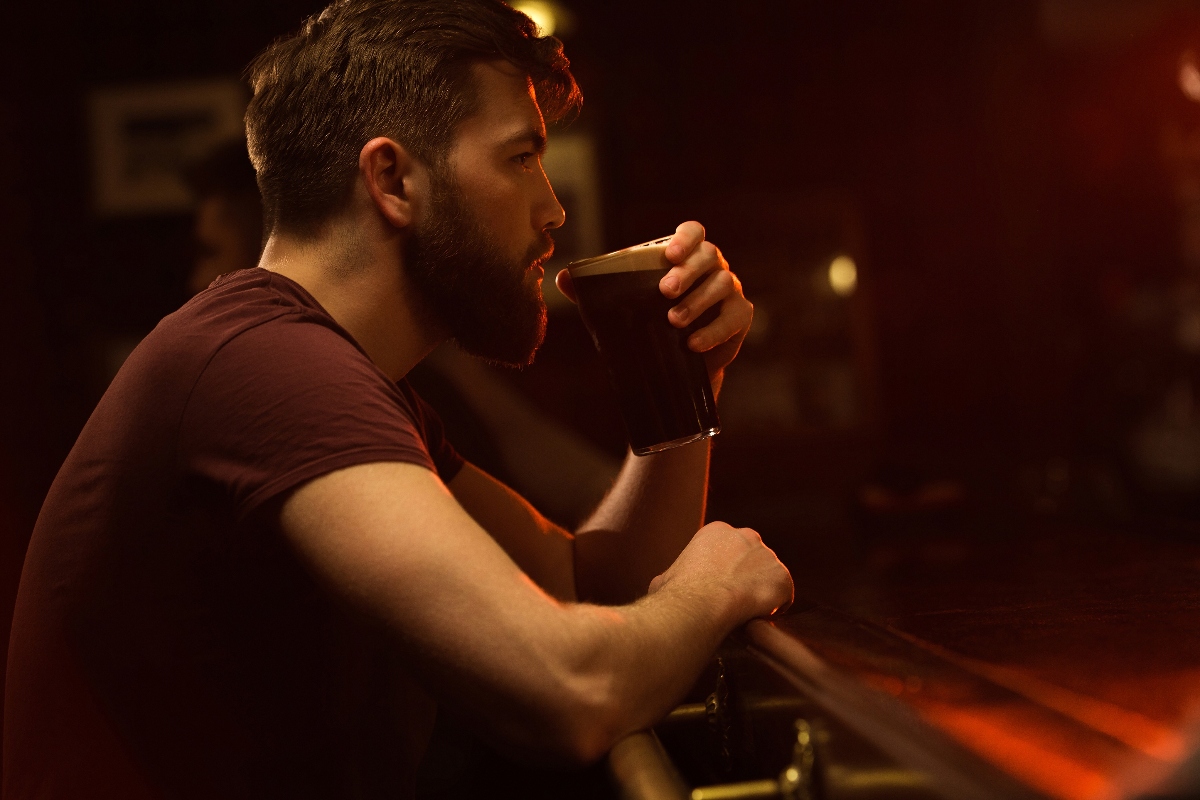
Many men enter recovery asking the same question: Why can’t I just stop after one drink?
Early on, alcohol feels optional. Over time, it becomes automatic. The shift doesn’t happen because of weakness or lack of discipline; it happens because alcohol changes how the brain regulates reward, stress, and decision-making.
Once this shift occurs, stopping after one drink becomes neurologically difficult, even when consequences are clear.
How Alcohol Rewires the Brain’s Dopamine System
Alcohol directly affects the brain’s dopamine pathway, the system responsible for motivation, reward, and reinforcement.
Research published in the National Institutes of Health (NIH) shows that repeated alcohol use increases dopamine release in the brain’s reward centers, reinforcing drinking behavior even when negative outcomes are present. Over time, the brain adapts by reducing natural dopamine responsiveness, making alcohol feel necessary to feel “normal.”
As tolerance builds: • More alcohol is required for the same effect • Pleasure from everyday activities decreases • Stress and irritability increase when not drinking
This neurological loop explains why cravings feel involuntary and why control erodes gradually rather than suddenly.
Alcohol dependence is not defined solely by how much someone drinks, but by impaired control.
According to clinical research on alcohol dependence, hallmark signs include: • Inability to stop once drinking begins • Continued use despite awareness of harm • Increased tolerance • Emotional or physical distress when alcohol is unavailable
Loss of control is often the clearest indicator. When someone repeatedly intends to limit drinking and cannot, dependence may already be present, even if external consequences are minimal.
This is not a diagnosis, but it can help identify patterns worth paying attention to.
Ask yourself (or consider for your son):
Do I often plan to have one or two drinks but end up drinking more?
Do I feel restless, irritable, or anxious when I try not to drink?
Do I rely on alcohol to unwind, sleep, or manage stress?
Have I tried to cut back multiple times without lasting success?
Does drinking feel automatic rather than intentional?
If several of these resonate, it may indicate that alcohol is no longer a choice, but a conditioned response.
Why Willpower Alone Stops Working
Once alcohol dependence develops, willpower becomes unreliable because decision-making and impulse control are neurologically compromised.
Stress, fatigue, emotional discomfort, or familiar environments can activate craving loops before conscious choice enters the picture. This is why many men describe feeling “on autopilot” around alcohol.
True recovery often requires external structure, removing access, interrupting routines, and calming the nervous system long enough for the brain to reset.
Rebuilding Dopamine Naturally Through Holistic Treatment
At Healing Pines, recovery focuses on restoring balance, not just eliminating alcohol.
Holistic, residential treatment offers natural alternatives to dopamine stimulation, helping the brain relearn reward through healthy pathways.
These include:
Outdoor therapy (hiking, nature immersion) to regulate stress hormones and improve mood
Fitness-based therapies, including structured movement and recreational activities like pickleball, which stimulate dopamine and endorphins naturally
Animal-assisted therapy, which supports emotional regulation, trust-building, and stress reduction
Daily structure and routine, restoring predictability and self-discipline
Unlike alcohol-driven dopamine spikes, these approaches rebuild motivation and emotional stability without reinforcing dependency.
“Healing Pines saved my life and I would recommend anyone with drug/alcohol addictions to go there for treatment. It’s a wonderful place to recover, and the therapists are great at bringing perspective, conflict management, self-acceptance, and self-awareness. They help you get to the root of the problem. The insight they give in group therapy was extremely therapeutic and important to my growth toward sobriety. Paul is a perfect role model for men with substance abuse. They will show you the way to a healthy life and get you back on track.”
This is what’s possible when men have real support.
When to Seek Alcohol Dependence Treatment Near You
If stopping after one drink consistently feels impossible, it may be time to explore alcohol dependence treatment near you, especially when attempts to moderate haven’t worked.
Residential treatment can be appropriate when:
Alcohol is used to manage stress or emotions
Daily functioning is maintained but emotional stability is declining
Family concern is increasing
For many families, choosing a residential program away from daily triggers provides the clarity and containment needed for real change.
Healing Pines offers a men-only residential environment in
If alcohol feels harder to control than it used to, a structured residential program can help interrupt the cycle and restore balance, without waiting for a crisis.
Alcohol dependence refers to impaired control and neurological adaptation. It can exist before severe consequences or stereotypical “alcoholism” appear.
Michael is a Licensed Professional Counselor and has felt lead to be in this role since the age of 15. He is passionate about coaching and helping others becoming their very best. Michael grew up in Northern California and has lived in Colorado for close to a decade. He completed his undergraduate degree in Psychology at Liberty University and received his Maters in Counseling from Colorado Christian University. Michael has a heart for helping the addiction population and their families to find freedom and lasting recovery to positively affect people’s legacies. Michael has experience in individual, group, marriage, and family Counseling.
Michael uses CBT/DBT/Person Centered/Solution Focused and Emotionally Focused Therapies. He enjoys staying active and supporting Colorado Sports Teams (especially the Broncos), movies, Church, playing drums and spending time with his wife and children. Michael brings a non-judgmental and relaxed approach to Healing Pines clients and staff.