- HOME
- WHAT WE TREAT
- DUAL-DIAGNOSIS
Dual Diagnosis Treatment for Men in Colorado

Healing Pines Recovery provides men-only, integrated dual diagnosis treatment in Colorado: one coordinated plan that treats a substance use disorder and a co-occurring mental health condition at the same time, on a private 40-acre property in Elizabeth.
Dual diagnosis is common. SAMHSA’s 2024 National Survey on Drug Use and Health found that about one in three adults with a mental illness also had a substance use disorder in the past year. We work with most major commercial PPO plans and private pay, and you can verify your coverage in a few minutes before you decide anything.
Key Takeaways
- Our program is for adult men whose addiction and mental health symptoms feed each other, including anxiety, depression, bipolar disorder, OCD, PTSD, and trauma.
- One clinical team treats your substance use and the co-occurring condition together, so neither one is set aside while the other gets attention.
- Care includes residential and intensive outpatient levels, individual and group therapy, family involvement, and medication management when clinically appropriate.
- Treatment takes place in a boutique, small-cohort setting in Elizabeth, CO, about an hour from Denver and Colorado Springs.
- We accept most major commercial PPO plans and self-pay, but we don’t accept Medicaid or Medicare.
Request a Confidential Callback
Understanding Co-Occurring Disorders
What Is a Dual Diagnosis?
A dual diagnosis, also called a co-occurring disorder, means a man is living with a substance use disorder and a mental health condition at the same time. The two usually feed each other. Anxiety, depression, or unresolved trauma can drive drinking or drug use, and heavy use deepens the symptoms it was meant to quiet.
Many men describe it as self-medicating. A drink takes the edge off social anxiety, pills help you sleep through a depressive stretch, or stimulants keep up with a manic high. The relief is short, and the cycle gets tighter.
Because the conditions are linked, they respond best to one integrated plan instead of two separate programs, which is consistent with SAMHSA’s guidance on co-occurring disorders. At Healing Pines Recovery, master’s-level clinicians build a single plan that treats substance use and mental health as related concerns, not competing ones.
Integrated Treatment
Why Do Co-Occurring Disorders Need to Be Treated Together?
When only one condition gets diagnosed and treated, the risk of relapse goes up. A man who gets sober without addressing his depression often finds it still waiting for him. A man who starts anxiety treatment while still drinking can’t tell whether any of it is working.
Integrated treatment closes that gap:
- Both conditions are managed at once, so neither goes unaddressed while the other is worked on
- Stabilizing both together lowers the chance that an untreated symptom pulls you back toward use
- Treating them side by side brings up underlying issues, like trauma or shame, that single-focus programs often miss
Conditions We Treat
What Co-Occurring Conditions Do We Treat?
Anxiety
Depression
PTSD
Bipolar Disorder
OCD
Anxiety and Addiction
Anxiety disorders, including generalized anxiety, social anxiety, panic disorder, and phobias, involve fear or worry strong enough to disrupt work, relationships, or sleep. Many men drink or use to quiet a racing mind, but substance use usually makes anxiety worse over time.
Signs worth watching for:
- Constant worry, restlessness, or feeling on edge.
- Panic attacks, or avoiding places and people out of fear.
- Needing a drink or a drug before a social or work situation.
Anxiety treatment usually combines CBT, mindfulness, and skills for calming your stress response, alongside your substance use treatment.
Depression and Addiction
Depression is a low, empty, or numb mood that lasts for weeks. In men, it often shows up as irritability, anger, fatigue, or pulling away rather than sadness. Many men drink or use to cope, and alcohol and drugs tend to deepen depression over time.
Signs worth watching for:
- A hopeless or numb mood, or losing interest in things you used to enjoy.
- Fatigue, trouble concentrating, or changes in sleep and appetite.
- Thoughts of death or suicide.
If you or someone you love is having thoughts of suicide, call or text 988 right away.
Treatment may include individual therapy, CBT and DBT, medication management when clinically appropriate, and a structured daily routine.
Bipolar Disorder and Addiction
Bipolar disorder involves shifts between depressive episodes and periods of mania or hypomania. Because depression often appears first, it’s frequently misdiagnosed at the start. People with bipolar disorder are much more likely to develop a substance use disorder, often drinking to come down from a high or using stimulants to escape a low.
Signs of a manic or hypomanic episode:
- Far more energy and much less need for sleep.
- Racing thoughts or fast speech.
- Risky or impulsive choices with money, driving, or substances.
Careful medication management is often central to bipolar care, paired with therapy that helps you spot early warning signs of a mood shift.
OCD and Addiction
Obsessive-compulsive disorder involves intrusive thoughts, urges, or images (obsessions) and repeated behaviors or mental rituals (compulsions) used to relieve the distress. Alcohol or drugs can seem to quiet obsessive thoughts, but the relief doesn’t last, and using can become a compulsion of its own.
Signs worth watching for:
- Intrusive thoughts that feel impossible to shut off.
- Checking, counting, or mental rituals that take up hours of your day.
- Drinking or using to get relief from OCD-related anxiety.
OCD treatment may include CBT with exposure and response prevention (ERP), along with work on patterns that can slow men down, like shame and avoiding emotional vulnerability.
PTSD, Trauma, and Related Conditions
For many men, unresolved trauma sits underneath the addiction. Learn more on our PTSD and addiction treatment page and in our overview of trauma treatment for men.
Individualized Treatment
Community Support
Boutique Facility
Evidence-Based Therapies
Individualized Treatment
Community Support
Boutique Facility
Evidence-Based Therapies
Our Approach
How Does Healing Pines Treat Co-Occurring Conditions in Men?
We treat the whole person, not just the diagnosis. Because Healing Pines is a men-only rehab, you have room to work on shame, identity, trauma, and relationships alongside other men who understand. Many men find that work hard to do in a mixed-gender program.
Every man gets an individualized plan. Your therapist, clinical team, and medical staff all work from the same goals, and groups meet seven days a week alongside individual therapy.
A lot of what we address are the pressures men tend to carry quietly, which is why men’s mental health is its own focus in our clinical work.
Levels of Care
Should I Choose Inpatient or Outpatient Dual Diagnosis Treatment?
The right level of care depends on how severe your symptoms are, how stable things are at home, and how past treatment has gone. Our clinical team recommends a level of care during your assessment.
- Residential Inpatient treatment means you live on-site with round-the-clock support, which suits men with more acute symptoms, repeated relapses, or an unstable home environment.
- Intensive Outpatient Program (IOP) care lets you live at home while you attend structured therapy, and many men step down into it after residential treatment.
Therapies and Modalities
Which Therapies Are Used in Dual Diagnosis Treatment?
Every man’s plan is individualized and may include:
- Cognitive Behavioral Therapy (CBT) helps you identify and change the thought patterns that feed both substance use and symptoms like anxiety or depression.
- Dialectical Behavior Therapy (DBT) builds skills for regulating emotions, tolerating distress, and handling conflict without reaching for a substance.
- Group Therapy in small men’s cohorts encourages honesty, accountability, and connection with peers who get it.
- Family Therapy helps rebuild communication and trust at home, and couples counseling is available when it fits your goals.
- Holistic Therapies such as outdoor experiential work, animal-assisted therapy, mindfulness, and physical fitness help reconnect body and mind.
- 12-Step Alternatives, including SMART Recovery, are offered alongside traditional 12-step support so you can find the path that fits you.
Individual therapy is part of every plan, and medication management is added when clinically appropriate.
Your First Steps
What Can I Expect, and How Long Does Treatment Take?
Treatment usually starts with a confidential call and a benefits check, followed by a clinical intake when you arrive. Most men complete our residential program in about 30 to 45 days, and the exact length depends on your clinical needs and goals.
- Call us confidentially: We learn about your history and immediate needs, and we check your insurance benefits.
- Complete your intake: A clinical assessment on arrival clarifies your diagnoses and any safety needs.
- Start your individualized plan: Your clinical team matches you to the right level of care and reviews your progress through the first week and beyond.
- Plan for life after treatment: Before you leave, our staff help you build an aftercare and relapse prevention plan, with continued support through our alumni program.
For a closer look at daily life on-site, see what to expect at Healing Pines or schedule a tour of the property.

Paying for Treatment
Don't Let Anything Stop You From Getting Help.
We work with most major commercial insurance plans which can help cover up to 100% of the costs associated with treatment.
What Sets Us Apart
Why Choose Healing Pines for Men's Dual Diagnosis Treatment?
We’re a men-only, boutique program built for the barriers men face in recovery.
- Treatment is designed around male identity, emotional suppression, and the relational patterns that often sit beneath addiction.
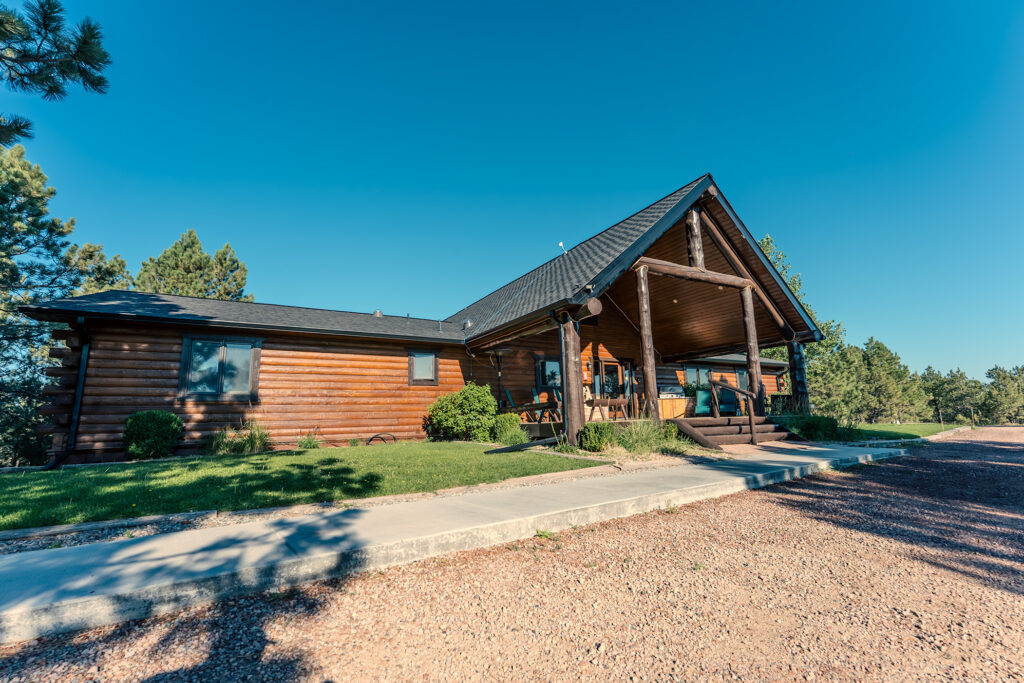
- Our small facility on a 40-acre wooded property in Elizabeth keeps care personal instead of mass-market.
- Your plan is built around your history, symptoms, and goals, not a standardized track.
- Mental health and substance use are treated together by one coordinated team.
- Master's-level clinicians provide clinical depth, with coordinated medical oversight.
Take the Next Step
Ready to Treat Addiction and Mental Health Together?
You don’t have to figure out which problem came first. Many men who call us have spent years treating the drinking, the drug use, or the anxiety on its own, and it never quite held. Our clinical team looks at the whole picture with you and helps you decide what kind of care makes sense next.
If you’re reading this for a husband, son, or brother, you can call too. We’ll talk through what you’re seeing, explain how dual diagnosis care works for men, and help you think through how to start that conversation with him.
Give us a call today and we’ll walk you through your options confidentially, with no obligation.
The leadership and staff were committed to my success.
Paul is a man of integrity which flows through his team. I have been to other recovery programs and HPR stands far above them all. The small group structure offers a more intimate and personalized experience. This was so much more beneficial to my recovery than facilities preaching a "one-size-fits-all" solution to larger and fragmented groups. It was like having personal and knowledgeable therapists dedicated to me for a full month! They went out of their way to understand the root of my challenges and construct a path for improvement that is unique and relatable to me. This was a huge benefit!
Jay C
It saved my life, in every sense.
I spent a month at Healing Pines Recovery. The actual location itself is unreal. A beautiful cabin lodge, with gorgeous scenery. The rooms are large, queen beds, very comfortable! Great bathrooms with great showers! There is a pool table, slam jam, (Christine! 😉 frisbee golf, and daily access to a nearby gym. The property also has a pickle ball court that was used daily, Zoey the counselor beat us men constantly!
Clay M
My experience with Healing Pines Recovery has been wonderful.
My husband was their client, and they helped him be able to help himself. He is doing amazing! I think the combination of counseling, physical labor, meditation, AA, and just the beauty of the place itself all had a very positive impact on him. They really cared about him, and that did not stop just because he came home. Also they have counseling for the families and it has really helped me a lot. Heather is awesome! I thank God that we had them in our lives when we were most vulnerable.
Susan M
We wanted to share our gratitude to the staff.
Our son was under the care of Healing Pines recently and we wanted to share our gratitude to the staff. There were many challenges in his pursuing treatment, and thankfully Paul and Heather C helped us navigate all of them skillfully with patience and compassion.
Jim E
You'll get your life back!
Healing Pines Recovery is/was instrumental in setting me up for long term success in my recovery journey. I've been to treatment centers in the past and HPR is nothing like anything I've attended before. They're very small, intimate, and hands-on approach to recovery was exactly what I was looking for when seeking treatment. I knew that a large, one size fits all program like those offered by many other treatment centers in Colorado wouldn't provide me with the help I desperately needed. Paul and his Team are incredible and I would highly recommend HPR to anyone who needs help starting their recovery journey. Big shout out to James for all of his guidance during my time at HPR. His grace, knowledge, understanding, and direction were/are key to my continued success in recovery. One HUGE piece of the puzzle I love is the after care I've received from HPR... I am in constant contact with Paul, James, and many other staff members through the their alumni programs and it has helped me so much with life after HPR. This program was truly a miracle in my life and I know it will be for many other men struggling with addiction and/or alcoholism. You'll get your life back!
Nicholas P
This is truly a great recovery facility.
My learning experience here was something I’ll take with me throughout my whole life. The staff here will always be a part of my family and I am beyond thankful for everything they have done and continue to do for my well-being.
Gunnar P
I can't speak more highly of Healing Pines Recovery & Addiction Center.
It is located in a beautiful Colorado location with lots of outdoor activities and fresh air. They have a very knowledgeable and professional staff that goes above and beyond to meet your needs.
Riley K
I couldn’t have been at a more amazing place to begin this journey.
Seriously an amazing place. Everything from how beautiful the house and the property it sits on down to every person staffed there was nothing less than perfect. More than highly recommended in every sense. If you’re reading this and trying to find the right place for treatment and recovery I would absolutely look no further. Everyone’s recovery is different and we all need a comfortable place with people we can trust through this battle, healing pines understood that everyone’s path is different and they 100% cater to that. I couldn’t have been any luckier with finding Healing Pines. I won’t go any deeper and start to thank everyone there individually, But I want to express my gratitude to everyone on the HEALING PINES TEAM. Without you all, my path in sobriety would not look anywhere near the way it looks today. Seriously from the bottom of my heart thank you!
James M
Frequently Asked Questions
Yes. Healing Pines Recovery is a men-only program, and all of our dual diagnosis care is designed specifically for adult men.
No. Many men reach out knowing only that their drinking or drug use and their mood seem to feed each other. Our clinical team completes a full assessment and looks at your symptoms as a whole before confirming any diagnosis.
It depends on the substance, your withdrawal risk, and your medical history. During your confidential screen, our team assesses whether medically supervised withdrawal is needed first and helps coordinate that step before your therapeutic work begins.
In most cases, yes. We work with most major commercial PPO plans and also offer self-pay. We don’t accept Medicaid or Medicare. The fastest way to know your benefits is a confidential verification.
Length of stay is individualized. Residential treatment commonly runs about 30 to 45 days, with longer options for more complex cases. Outpatient care usually continues for several weeks to a few months, followed by alumni and aftercare support.
Yes. We offer family therapy and couples counseling, and loved ones can stay updated through family weekends and phone contact during your stay.
We support more than one path. Depending on what fits you, your plan can include traditional 12-step support, SMART Recovery, or other 12-step alternatives.
Before you leave, our staff help you build a personal aftercare and relapse prevention plan. Many men step down into outpatient care, and graduates can stay connected through our alumni program.
Getting Help
Where is Healing Pines?
Healing Pines Recovery sits on a private 40-acre property in Elizabeth, Colorado, about an hour from both Denver and Colorado Springs. The quiet setting gives men room to focus on recovery while staying close enough to regional resources.
Learn More
Begin Your Journey & Escape Addiction
The first step can be the hardest. Fill out the form or call us at (720) 575-2621. You will be connected with a Healing Pines Recovery specialist who can answer your questions and help you get started.
Let Us Help You
Speak to Someone Right Now