

Healing Pines Recovery - pine icon

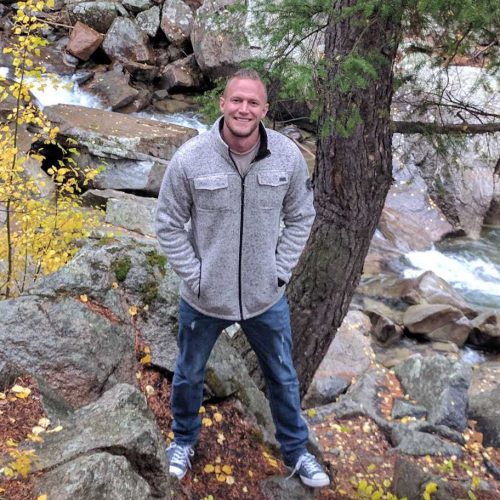
Paul Leafstedt

Alcohol treatment centers Colorado Springs

Founder & Executive Director

Paul was born and raised in the beautiful state of Colorado. He went to college in California at CAL Poly Pomona, majoring in Mechanical Engineering. Being a person in recovery and always finding fulfillment in helping others succeed, Paul co-founded a treatment center in California with 4 other partners. Paul came back to Colorado to continue his journey in the field of addiction, and to share his vision for Healing Pines Recovery.

“Colorado is such a magical place for me, its natural beauty and peace lend itself for the perfect environment to connect with yourself and others. Healing Pines is different, it’s real, you can feel it. What you see is what you get here. This is a safe place to dig deep and be vulnerable, to re-discover yourself, what the world has to offer and what you have to offer the world.”


The opioid crisis encompasses both prescription medications like oxycodone, hydrocodone, and fentanyl, and illicit drugs like heroin. While all opioids work on the same brain receptors and create dependence through similar mechanisms, important differences exist between prescription opioid withdrawal and heroin withdrawal—differences that affect timeline, symptom severity, medical complications, and treatment approaches. Understanding these distinctions helps

The question "how long does alcohol withdrawal last?" weighs heavily on anyone considering quitting drinking after months or years of heavy use. The honest answer involves both good news and complexity: acute physical withdrawal typically lasts 5-7 days, with the most dangerous symptoms peaking within 48-72 hours—but the complete timeline varies significantly based on individual

For decades, substance use research largely overlooked how gender affects addiction, withdrawal, and recovery. The assumption that men and women experience withdrawal identically has been replaced by growing evidence that biological, hormonal, psychological, and social differences create distinct withdrawal experiences and treatment needs for each gender. Understanding gender-specific differences in withdrawal symptoms helps explain why men

Completing medical detoxification represents a critical milestone—your body has cleared the substances, withdrawal symptoms have subsided, and you've survived the most physically challenging phase of recovery. But if you believe detox alone equals recovery, you're facing a dangerous misconception that leads most people straight back to substance use within weeks or months. Research consistently shows that

The intense physical discomfort, psychological distress, and overwhelming cravings that characterize substance withdrawal create powerful barriers to recovery. For decades, people attempting to quit opioids, alcohol, or other substances faced a stark choice: endure severe withdrawal symptoms without relief, or return to substance use to make the suffering stop. Medication-Assisted Treatment (MAT)—now increasingly called Medications

The perception that marijuana is harmless—or that you can't become dependent on it—stands in sharp contrast to the reality many people face when trying to quit. As marijuana legalization expands and potency increases dramatically, more people are discovering that stopping regular cannabis use triggers a distinct and uncomfortable withdrawal syndrome that can derail quit attempts